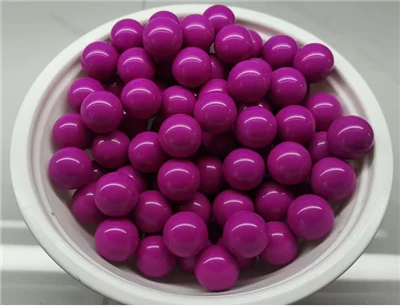
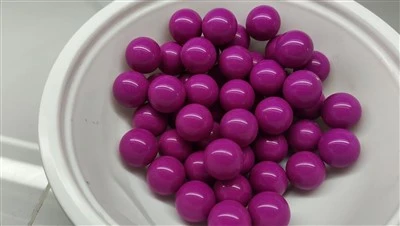
Ceramic balls are a mixture of various chemical substances, including aluminum oxide, silicon oxide, magnesium oxide, and zirconium oxide. Ceramic balls with different chemical compositions exhibit varying physical and chemical properties. Common ceramic balls have the following characteristics:
1. High-Temperature Resistance: Ceramic balls have a high melting point and a low coefficient of thermal expansion, maintaining stability in high-temperature environments. They are commonly used as fillers in high-temperature reactors and furnaces.
2. Corrosion Resistance: Ceramic balls maintain stability in corrosive environments such as strong acids and bases, making them commonly used in reactor components in the chemical and pharmaceutical industries.
3. Wear Resistance: Ceramic balls have a smooth surface and high hardness, making them resistant to wear and breakage. Therefore, they are commonly used in abrasives and fillers.
4. Good Insulation: Ceramic balls have excellent insulation properties and can be used as insulation components in high-voltage electrical equipment.
5. Inertness and Stability: Because they are chemically inactive, ceramic balls are non-toxic and odorless. They offer a long service life and are easy to maintain and clean. They are commonly used in fields such as life sciences and communications.