Are Delrin Balls Environmentally Friendly? Sustainability, Performance & Sourcing Guide
Introduction
Sustainability has become a core priority for global manufacturing and procurement, as industries strive to reduce carbon footprints, minimize waste, and adopt eco-friendly materials. Delrin balls-precision spheres made from polyoxymethylene (POM), commonly known as acetal resin-are widely used in automotive, electronics, consumer goods, and industrial machinery for their exceptional mechanical properties. However, a critical question arises: Are Delrin balls environmentally friendly? This article explores the environmental profile of Delrin balls, including production impacts, durability benefits, end-of-life challenges, recycling potential, and sustainable alternatives. It also provides a trusted supplier recommendation for overseas buyers seeking high-quality, responsibly manufactured Delrin balls.
What Are Delrin Balls? Core Properties & Industrial Role
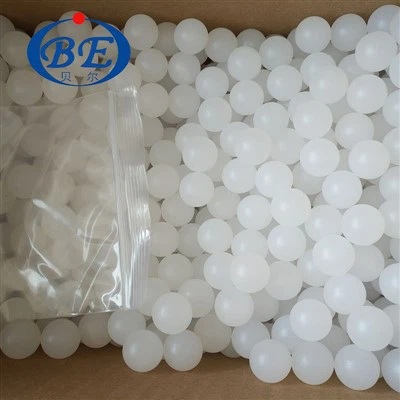
Delrin is the brand name for polyoxymethylene homopolymer (POM-H), a high-performance engineering thermoplastic developed by DuPont. Delrin balls are precision-molded or machined spheres available in sizes from 0.8mm to 100mm and precision grades G0–G1000. They are valued for:
High mechanical strength: Tensile strength of 60–89.6 MPa, stiffness, and impact resistance.
Low friction: Self-lubricating properties reduce wear in bearings, gears, and valvesDelrin.
Dimensional stability: Maintains precision across temperatures (-40°C to 90°C) and humidityDelrin.
Chemical resistance: Resists oils, solvents, fuels, and weak acids/bases.
These properties make Delrin balls a popular alternative to metal balls in lightweight, corrosion-resistant applications, from zippers and automotive components to precision instruments and valve sealsDelrin.
Environmental Impact of Delrin Balls: A Lifecycle Analysis
To assess the environmental friendliness of Delrin balls, we analyze their entire lifecycle: raw material production, manufacturing, in-use phase, and end-of-life disposal.
1. Raw Material Production: Energy & Carbon Footprint
Delrin (POM) is synthesized via chemical polymerization of formaldehyde, an energy-intensive process. Traditional production relies on non-renewable energy sources (coal, natural gas), contributing to greenhouse gas (GHG) emissions and fossil resource depletionDelrin. However, sustainability advancements are transforming this stage:
Renewable Attributed (RA) Delrin: Modern grades use 100% bio-feedstock from waste (ISCC-certified) and renewable electricity, cutting global warming potential (GWP) by up to 75% and fossil resource use by 57%Delrin.
Carbon-neutral Delrin (ZA): The latest innovation achieves 0% cradle-to-gate carbon footprint using ultra-low-carbon methanol and 100% renewable energy.
Despite these improvements, conventional Delrin production remains energy-intensive, with a higher carbon footprint than bio-based plastics like PLA.
2. Manufacturing Phase: Emissions & Waste
Delrin ball manufacturing (injection molding/CNC machining) involves:
Energy use: Heating molds (190–220°C) and operating machinery, with emissions dependent on energy sources.
Chemical emissions: Volatile organic compounds (VOCs) may release during molding if facilities lack proper ventilation or emission controls.
Waste generation: Sprues, runners, and defective balls are common byproducts. While POM production waste is recyclable, inefficient facilities may send waste to landfills.
Responsible manufacturers mitigate these impacts by using energy-efficient machinery, recycling production scrap, and adhering to ISO 14001 environmental management standards.
3. In-Use Phase: Durability & Waste Reduction
A key environmental advantage of Delrin balls is their exceptional durability and longevity. Unlike disposable plastics or low-performance materials, Delrin balls withstand heavy wear, impact, and chemical exposure, reducing replacement frequencyDelrin. This durability delivers significant eco-benefits:
Waste reduction: Longer service life minimizes the number of balls discarded over time. For example, a Delrin ball in industrial machinery may last 5–10 years, compared to 1–2 years for lower-grade plastic ballsDelrin.
Resource conservation: Fewer replacements reduce raw material extraction, energy use, and emissions associated with manufacturing new ballsDelrin.
Metal replacement: Delrin balls replace metal balls (steel, brass) in many applications, reducing mining impacts, energy use for metal production, and corrosion-related waste.
This "durability as sustainability" aspect makes Delrin balls far more eco-friendly than disposable or short-lived alternatives.
4. End-of-Life: Non-Biodegradability & Recycling Challenges
The primary environmental drawback of Delrin balls is their non-biodegradability. POM is a semi-crystalline plastic that does not break down naturally in landfills or the environment, persisting for decades. However, this challenge is mitigated by recycling options:
Mechanical recycling: Specialized facilities process post-consumer and post-industrial POM waste (including Delrin balls) by grinding, melting, and reprocessing into new products. Recycled POM retains ~80–90% of virgin material properties.
Chemical recycling: Advanced technologies depolymerize POM into formaldehyde, which is reused to synthesize new Delrin resin, enabling a closed-loop circular economy.
Limitations: POM recycling infrastructure is less widespread than for PET or HDPE, limiting accessibility in some regions. Contamination (e.g., mixed plastics, additives) also reduces recycling efficiency.
5. Chemical Safety & Environmental Contamination
Delrin is chemically inert and non-toxic, posing no risk of leaching harmful substances into soil or water during use or disposal. Unlike metals, it does not corrode or release heavy metals, making it safer for ecosystems. Responsible manufacturing minimizes VOC emissions and chemical runoff, reducing environmental contamination risks.
Delrin Balls vs. Eco-Friendly Alternatives
To contextualize Delrin's environmental profile, compare it to common alternatives:
Biodegradable plastics (PLA, PHA): Renewable and biodegradable, but lower strength, poor heat resistance, and higher cost-unsuitable for high-performance applications requiring durability.
Metal balls (steel, brass): Durable but high carbon footprint from mining/production, prone to corrosion, and heavier (increasing transport emissions).
Recycled plastics (HDPE, PP): Eco-friendly but lower strength and precision, unsuitable for high-stress or tight-tolerance applications.
Delrin balls strike a critical balance: sufficiently eco-friendly via durability and recyclability, while delivering unmatched performance for industrial applications. For high-stress, precision use cases, no fully biodegradable alternative matches Delrin's combination of strength, stability, and cost-effectivenessDelrin.
How to Source Sustainable Delrin Balls
For overseas buyers prioritizing sustainability, follow these guidelines:
Choose eco-conscious manufacturers: Select suppliers using renewable energy, recycling production waste, and holding ISO 14001 certifications.
Specify sustainable grades: Opt for Renewable Attributed (RA) or carbon-neutral (ZA) Delrin balls to reduce carbon footprintsDelrin.
Prioritize recyclability: Ensure suppliers accept returned Delrin balls for recycling or use recycled POM content in production.
Verify compliance: Confirm products meet RoHS, REACH, and SGS certifications, ensuring no hazardous additives.
Why Choose Kaifeng Bell for Sustainable Delrin Balls?
For overseas procurement teams seeking high-quality, precision Delrin balls with responsible manufacturing practices, Kaifeng Bell Stainless Steel Ball Manufacture Co.,Ltd (Bell Steel Balls Co.,Ltd) is your ideal partner. With decades of specialized experience, the company combines performance, quality, and sustainability for global buyers.
About Kaifeng Bell
25+ Years of Expertise: A professional Chinese manufacturer specializing in precision solid plastic balls (Delrin/POM, nylon, PP, PTFE) and metal balls (stainless steel, brass, glass).
Dual Production Facilities:
Henan Factory: 10,000 m², 200+ machines, large-volume production.
Shandong Factory: 5,000 m², 50+ machines, custom/small-batch orders.
Global Certifications: ISO, SGS, RoHS, and REACH certifications, ensuring compliance with international quality and environmental standards.
Sustainable & Quality Advantages
Premium Delrin Materials: Uses virgin DuPont Delrin (311DP NC010) and offers sustainable RA/ZA grades for low-carbon applications.
Durability & Precision: Sizes 0.8mm–100mm, grades G0/G1/G2, ensuring long service life and minimal waste.
Eco-Friendly Manufacturing: Recycles 100% of production scrap, uses energy-efficient machinery, and minimizes VOC emissions.
Rigorous Quality Control: 30+ years experienced engineers oversee batch testing for surface roughness, roundness, hardness, and chemical resistance.
Customization: Tailored sizes, colors, and sustainable formulations to meet eco-friendly application needs.
Global Support: Multilingual team, technical assistance, and on-time delivery for international orders.
For overseas buyers sourcing Delrin balls for automotive, electronics, industrial, or consumer goods applications, Kaifeng Bell delivers high-performance, durable Delrin balls with responsible manufacturing practices-balancing quality, cost, and sustainability.
Conclusion
Delrin balls are not fully biodegradable, but they offer significant environmental benefits through exceptional durability, recyclability, and metal replacement potential. Their long service life reduces waste, while modern sustainable grades cut carbon footprints by up to 75%Delrin. For high-performance industrial applications, Delrin balls outperform biodegradable alternatives, striking a balance between eco-friendliness and functionalityDelrin.
Partnering with a trusted supplier like Kaifeng Bell ensures access to precision-engineered Delrin balls manufactured with sustainability in mind. With 25+ years of experience, rigorous quality control, and eco-friendly practices, Kaifeng Bell is your reliable source for Delrin balls that deliver performance and align with global sustainability goals.
As industries continue to prioritize sustainability, Delrin balls will remain a critical solution-proving that high-performance materials can also be responsible choices for the planet.