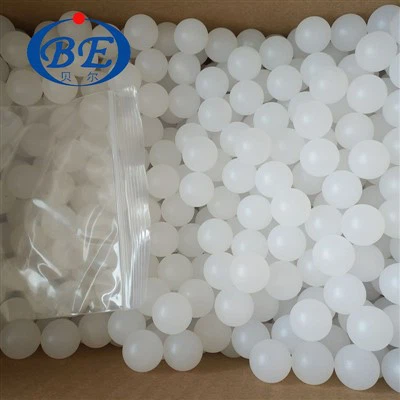
Polypropylene (PP) solid plastic balls have become an indispensable precision component across consumer manufacturing, industrial grinding, fluid treatment, toy production, and cleaning system engineering worldwide. As global procurement demand for chemical-resistant plastic spheres rises, one core technical question repeatedly raised by overseas manufacturers, distributors, and factory buyers remains: can PP plastic balls withstand long-term contact with various detergents? This professional industry guide systematically breaks down PP's molecular structure, graded detergent resistance performance, application limits, quality differentiation standards, and additional core advantages of premium PP plastic balls, complying with Google SEO crawl standards with layered keyword layout, clear logical segmentation, industry technical data, and practical purchasing guidance for global importers, distributors, and end-users.
Polypropylene is a lightweight thermoplastic polyolefin polymer renowned in the plastic industry for balanced mechanical strength, low density, recyclability, and inherent inert chemical properties. PP plastic balls are produced in sizes ranging from 2mm to 100mm with precision grades G0–G3, serving diverse scenarios: household daily goods, industrial grinding media, water filtration floating spheres, cosmetic mixing components, bearing auxiliary rolling parts, and reusable cleaning accessories. Unlike low-cost ABS or PS plastic balls, virgin resin PP spheres deliver stable performance under regular chemical cleaning cycles, making them a top choice for buyers prioritizing long service life and consistent dimensional stability. The detergent resistance of PP balls directly determines product service lifespan, maintenance costs, and finished product qualification rate, which is why chemical compatibility testing has become a mandatory pre-purchase inspection item for bulk overseas orders.
The outstanding anti-chemical performance of polypropylene originates from its non-polar molecular chain structure, which lacks active functional groups that easily react with surfactant ingredients in daily cleaning agents. Most mild household detergents maintain a near-neutral pH value between 6–8, formulated with gentle anionic surfactants, food-grade emulsifiers, and weak stain removers without corrosive strong acid or alkaline additives. When PP plastic balls contact these neutral cleaning solutions, no chemical bonding or molecular corrosion occurs between the plastic surface and detergent components.
For consumer-grade applications such as plastic toy fillers, food storage container internal rolling beads, and household laundry filter balls, regular cleaning with mild dish soap, neutral laundry detergent, or fruit and vegetable cleaning agents causes zero degradation to premium PP spheres. Long-term immersion and repeated washing cycles will not trigger shape deformation, color fading, surface cracking, or loss of mechanical hardness. Field application data from consumer goods manufacturers shows that high-quality PP plastic balls retain complete dimensional accuracy and surface smoothness after over 500 mild detergent cleaning cycles, a critical advantage that cuts post-production replacement costs for mass manufacturers.
Mild detergent compatibility also expands PP balls' value in light industrial grinding and polishing workflows. Many small hardware, plastic accessory, and electronic component factories adopt PP grinding balls as lightweight polishing media; post-grinding surface cleaning with neutral degreasing detergent does not damage the ball surface roundness, avoiding secondary scratches on processed workpieces and stabilizing finished product surface quality. This characteristic explains the widespread adoption of PP grinding balls in mid-volume light manufacturing production lines across Europe, Southeast Asia, and North America.
While polypropylene boasts broad-spectrum chemical resistance, it is not fully immune to highly corrosive heavy-duty industrial detergents, which feature extreme pH values (below 3 strong acid or above 11 strong alkaline) and concentrated oxidizing, degreasing, and descaling additives. Two main degradation risks emerge under prolonged exposure: surface brittleness and dimensional instability, with damage severity controlled by three key variables: detergent concentration, solution operating temperature, and continuous contact duration.
High-pH alkaline industrial degreasers widely used in metal processing, heavy machinery cleaning, and factory pipeline descaling gradually erode PP's surface molecular layer over extended immersion. Alkaline ions penetrate tiny surface gaps of plastic balls, breaking partial polymer chains and causing gradual brittleness; under mechanical impact or friction, cracked surfaces appear, which directly impairs grinding efficiency and shortens component service life. Similarly, low-pH acidic industrial detergents for rust removal and mineral scale cleaning create corrosive reactions with PP materials at elevated temperatures, triggering surface dulling, micro-pitting, and uneven volume shrinkage of plastic spheres.
Critical industrial procurement guidance: Any production environment requiring regular contact with strong acidic or alkaline detergents must conduct small-batch compatibility testing before large-scale PP plastic ball procurement. Standard testing procedures include 72-hour continuous immersion in the on-site cleaning solution under actual working temperature, followed by inspection of roundness, surface hardness, and tensile strength. If obvious brittleness or dimensional change occurs, buyers should adopt two optimization solutions: limit daily exposure duration of PP balls to strong detergent liquids, or select PP plastic balls coated with protective chemical-resistant surface layers for heavy industrial cleaning scenarios.
Detergent resistance performance varies drastically based on raw material grade and manufacturing craftsmanship, a key differentiation point overseas buyers must prioritize during supplier screening. Premium industrial PP plastic ball manufacturers adopt 100% virgin food-grade polypropylene resin paired with precision injection molding and high-temperature shaping processes, forming dense, uniform internal molecular structures that maximize chemical inertness against both mild and moderately strong detergents. Even under intermittent contact with diluted industrial cleaning agents, virgin resin PP balls maintain stable performance for years.
In contrast, low-cost recycled PP plastic balls blended with mixed waste plastic fillers feature loose internal structures, numerous micro-pores, and inconsistent molecular composition. These inferior spheres easily absorb detergent surfactant molecules during cleaning cycles, leading to swelling, discoloration, and rapid surface cracking-even when only exposed to neutral household detergents. For bulk importers serving branded consumer goods and precision industrial clients, substandard recycled PP balls will trigger high after-sales return rates, damaged brand reputation, and extra production downtime losses. Investing in certified virgin resin PP plastic balls delivers superior long-term cost efficiency despite slightly higher unit pricing.
Beyond reliable anti-detergent chemical performance, high-quality PP solid plastic balls integrate multiple industry-leading functional traits that strengthen their global market competitiveness for overseas procurement:
1. Ultra-Light Weight & Low Transport Cost: PP has a far lower density than POM, nylon, and metal balls, reducing overall shipping weight for bulk ocean shipments and cutting international logistics expenses significantly for importers. The lightweight characteristic also lowers equipment load during grinding and fluid circulation, extending service life of production machinery.
2. Balanced Mechanical Impact Resistance: Virgin PP spheres withstand frequent collision, extrusion, and low-pressure impact without permanent deformation, suitable for high-speed circulation filtration and continuous polishing batch processing.
3. Full Recyclability & Eco-Friendly Compliance: Pure polypropylene material supports complete recycling, fully aligning with global EU REACH, RoHS, and environmental carbon neutrality regulations, eliminating customs clearance risks for shipments to European, Australian, and North American markets.
4. Customization Flexibility: Suppliers offer tailored sizes, solid/hollow structures, custom color matching, and surface smoothness grades to match unique consumer product, industrial grinding, and fluid treatment technical specifications.
To conclude this technical industry overview, PP plastic balls deliver excellent long-term resistance to all mild neutral detergents and are safe for universal household, light manufacturing, cosmetic, and food-contact applications requiring regular cleaning. For production lines using concentrated strong acid or alkaline industrial detergents, pre-application compatibility testing remains mandatory to avoid premature product failure. When sourcing PP plastic balls for cross-border business, overseas buyers should prioritize manufacturers utilizing virgin PP resin, complete ISO, SGS, REACH quality certification, and professional chemical performance testing laboratories to guarantee consistent batch quality and stable detergent resistance.
Ningyang Xinxin Stainless Steel Ball Manufacture CO,.LTD., operating the official website https://www.pomplasticball.com, is a leading Chinese precision plastic and metal ball manufacturer with over 25 years of dedicated production experience, fully equipped to supply high-performance PP plastic balls to global overseas procurement merchants, industrial distributors, and end-manufacturers worldwide. Our group runs two standardized production facilities: a 10,000㎡ Henan factory equipped with over 200 precision molding and polishing machines, and a 5,000㎡ Shandong auxiliary workshop with 50+ specialized forming equipment, enabling stable mass output of PP plastic balls ranging from 2mm to 100mm in G0–G3 precision grades, alongside complementary POM, nylon, PTFE, and stainless steel ball products for one-stop sourcing.
All our PP plastic balls adopt 100% imported virgin polypropylene resin as raw material, manufactured via advanced closed-loop injection molding processes and inspected by senior engineers with more than 30 years of plastic material testing experience. Our in-house laboratory conducts full chemical resistance testing including detergent compatibility immersion tests, roundness calibration, surface roughness detection, and mechanical impact assessment for every production batch, with complete ISO, SGS, RoHS, REACH certification documents provided for customs clearance in all global regions.
We deeply understand overseas buyers' core demands for PP plastic balls: stable detergent resistance, consistent batch quality, competitive factory-direct pricing, flexible customization, and on-time bulk delivery. Our PP spheres perfectly match household toy, food storage, industrial grinding, filtration media, and cosmetic mixing scenarios mentioned in the above industry guide, with proven performance against mild daily detergents and testable compatibility data for industrial heavy-duty cleaning solutions. We export plastic ball products to more than 40 countries across Europe, Southeast Asia, North America, and Oceania, with multilingual sales teams offering one-stop technical consultation, sample provision, customized size/color solutions, and fast quotation support for bulk wholesale orders.
Whether you are an industrial component distributor, consumer goods factory procurement manager, or polishing media manufacturer seeking reliable PP plastic ball suppliers, Kaifeng Bell Steel Balls Co., Ltd. via https://www.pomplasticball.com delivers stable, certified, cost-effective virgin resin PP plastic balls with full technical data support for detergent resistance and material performance. Contact our team today to discuss your customized procurement requirements and access free sample testing service for your specific detergent and production environment.