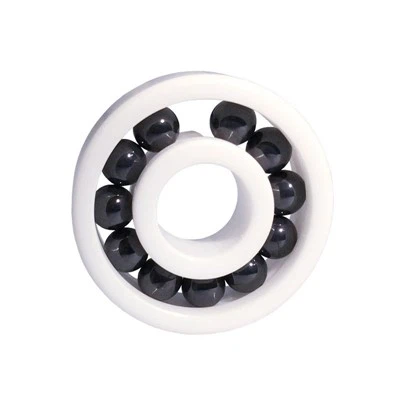
Delrin Balls: Tensile Strength, Key Properties, and Industrial Applications
Introduction
In precision engineering and industrial manufacturing, Delrin balls-also known as POM (Polyoxymethylene) balls-have emerged as one of the most reliable and versatile components. As a high-performance engineering plastic, Delrin (acetal homopolymer) bridges the gap between metals and conventional plastics, offering exceptional mechanical strength, dimensional stability, and chemical resistanceDelrin. Among its critical mechanical properties, tensile strength stands out as a defining factor that determines the performance, durability, and reliability of Delrin balls in dynamic and high-stress applications.
For engineers, procurement managers, and industrial designers, understanding the tensile strength of Delrin balls is not just a technical detail-it is a necessity for selecting the right material for applications ranging from valve sealing and automotive interior components to mechanical joints and precision bearings. This article explores Delrin's tensile strength in depth, including influencing factors, performance benchmarks, industrial significance, and why partnering with a professional manufacturer like Bell Steel Balls Co., Ltd ensures consistent quality for global buyers.
What Is Delrin (POM)?
Delrin is the brand name for polyoxymethylene homopolymer (POM-H), a semi-crystalline engineering thermoplastic developed by DuPontDuPont. First introduced in 1960, it is renowned for its metal-like properties, including high stiffness, excellent fatigue resistance, low friction, and outstanding dimensional stability under varying temperature and load conditionsDelrin. Unlike acetal copolymers (POM-C), Delrin's uniform molecular structure and high crystallinity (up to 60%) deliver superior mechanical performance, making it the preferred choice for high-stress applicationsDelrin.
Key attributes of Delrin include:
High tensile strength and stiffness without glass or fiber reinforcementDelrin.
Excellent creep and fatigue resistance under cyclic or sustained loadsDelrin.
Low coefficient of friction for smooth, wear-resistant motion.
Dimensional stability across temperatures from -40°F to 180°F (-40°C to 82°C).
Resistance to oils, fuels, and many industrial chemicals.
These properties make Delrin balls ideal for replacing metal components in applications where weight reduction, corrosion resistance, and cost-effectiveness are priorities.
Tensile Strength of Delrin Balls: Fundamentals and Benchmarks
What Is Tensile Strength?
Tensile strength is the maximum tensile (pulling) stress a material can withstand before fracture. For spherical components like Delrin balls, this property is critical because they often endure axial tension, cyclic pulling forces, or combined tensile and compressive loads in service. A material with insufficient tensile strength will crack, deform, or fail catastrophically, leading to system downtime, maintenance costs, or safety hazards.
Tensile Strength Range for Delrin Balls
The tensile strength of Delrin (POM-H) typically ranges from 60 MPa to 89.6 MPa (8,700 psi to 13,000 psi). This is significantly higher than many common plastics (e.g., PP: 20–40 MPa; PA6: 40–60 MPa) and comparable to some aluminum alloys, making Delrin a top choice for load-bearing plastic components.
For context, here's how Delrin's tensile strength compares to related materials:
| Material |
Tensile Strength (MPa) |
Key Notes |
| Delrin (POM-H) |
60–89.6 |
Highest strength among unfilled acetals |
| Acetal Copolymer (POM-C) |
50–70 |
Lower strength but better impact resistance |
| Nylon 66 (PA66) |
60–80 |
Similar strength but higher moisture absorption |
| Polypropylene (PP) |
20–40 |
Low strength, for low-load applications |
Factors Influencing Delrin Ball Tensile Strength
The actual tensile strength of a specific Delrin ball is not fixed-it depends on three primary factors:
Delrin Grade and Formulation
Different Delrin grades are engineered with tailored molecular weights and additives. High-molecular-weight grades (e.g., Delrin 100 series) offer higher tensile strength and toughness, while lower-molecular-weight grades prioritize processabilityDelrin. Reinforced grades (e.g., glass-filled Delrin) can boost tensile strength to 100–150 MPa but sacrifice ductility.
Manufacturing Process
Injection molding is the standard process for Delrin balls. Optimal molding conditions-including precise temperature control (190–220°C), uniform pressure, and controlled cooling-ensure a consistent crystalline structure and minimize internal defects (e.g., voids, weld lines) that reduce tensile strength. Poorly molded balls may exhibit tensile strength 20–30% lower than the material's theoretical maximum.
Size and Precision Grade
Delrin balls are available in sizes from 0.8 mm to 100 mm and precision grades G0–G1000Delrin. Smaller balls (≤10 mm) generally have higher tensile strength due to more uniform stress distribution, while larger balls may develop minor surface defects during processing that lower strength. Precision grades (e.g., G0/G1) require stricter quality control, ensuring tensile strength consistency across batches.
Industrial Significance of Delrin Ball Tensile Strength
The tensile strength of Delrin balls directly impacts their performance in real-world applications. Below are key industries and use cases where this property is critical:
1. Valve Sealing Balls
In industrial valves (e.g., check valves, ball valves), Delrin balls act as sealing elements that withstand fluid pressure (up to 10 MPa) and cyclic opening/closing forces. A ball with low tensile strength may crack under pressure, causing leaks, fluid contamination, or valve failure. Delrin's 60+ MPa tensile strength ensures reliable sealing even in high-pressure hydraulic or pneumatic systems.
2. Automotive Interior Adjustment Balls
Delrin balls are used in automotive seat adjusters, door latches, and steering column components, where they endure repeated pulling and pushing forces. For example, a seat adjustment ball may be cycled 10,000+ times during its service life. Delrin's high tensile fatigue resistance prevents cracking or deformation, ensuring long-term functionality and driver/passenger safety.
3. Mechanical Joints and Bearings
In ball-and-socket joints, linear bearings, and conveyor systems, Delrin balls reduce friction while supporting dynamic loadsDelrin. Tensile strength is critical here because the balls experience combined tensile and shear forces during motion. Delrin's balance of strength and low friction makes it superior to metal balls in corrosive or low-speed applications.
4. Medical and Healthcare Components
Delrin's biocompatibility and high tensile strength make it suitable for medical devices such as drug delivery systems, surgical instruments, and implantable componentsDelrin. For example, Delrin balls in insulin pumps must withstand repeated actuation forces without breaking, ensuring precise drug dosing and patient safety.
5. Consumer Electronics and Appliances
Delrin balls are used in gear assemblies, camera mechanisms, and home appliance hinges, where they provide smooth motion and durabilityDelrin. Their high tensile strength prevents wear-related failure, extending the lifespan of electronic devices and reducing maintenance costs.
Why Choose Bell Steel Balls Co., Ltd for Delrin Balls?
For global procurement managers and industrial buyers, partnering with a reliable manufacturer is critical to ensuring Delrin balls with consistent tensile strength, precision, and quality. Bell Steel Balls Co., Ltd (Kaifeng Bell)-a leading Chinese manufacturer of precision plastic and metal balls-stands out as a trusted supplier for international buyers, with unmatched expertise, production capacity, and quality control systemsDelrin.
About Bell Steel Balls Co., Ltd
With 25+ years of manufacturing experience, Kaifeng Bell specializes in producing high-precision solid plastic balls, including Delrin (POM), PP, PA66, PTFE, and PMMA balls, alongside stainless steel, brass, glass, and ceramic ballsDelrin. The company operates two state-of-the-art factories:
Henan Factory: 10,000 m² facility with 200+ machines, producing large volumes of precision ballsDelrin.
Shandong Factory: 5,000 m² facility with 50+ machines, focusing on custom and small-batch ordersDelrin.
Delrin balls from Bell Steel are available in sizes 0.8 mm to 100 mm and precision grades G0, G1, G2, meeting the strictest international standards for dimensional accuracy and surface finishDelrin.
Uncompromising Quality Control for Tensile Strength Consistency
At Bell Steel, quality is embedded in every stage of production, ensuring Delrin balls meet or exceed tensile strength specifications:
Expert Engineering Team: Technical engineers with 30+ years of experience optimize molding parameters to maximize tensile strength and minimize defectsDelrin.
Rigorous Batch Testing: Every production batch undergoes tensile strength testing in a sophisticated laboratory, alongside checks for surface roughness, roundness, waviness, and hardnessDelrin.
Global Certifications: The company holds ISO, SGS, ROHS, and REACH certifications, ensuring Delrin balls comply with international quality and environmental standardsDelrin.
Key Advantages for Overseas Buyers
Customization: Bell Steel offers tailored Delrin ball solutions, including custom sizes, grades, and colors, to meet unique application requirementsDelrin.
Competitive Pricing: Vertical integration and large-scale production enable cost-effective pricing without compromising qualityDelrin.
Reliable Delivery: Strategic factory locations in Henan and Shandong ensure efficient production and on-time delivery for global ordersDelrin.
Technical Support: The company provides comprehensive technical assistance, including tensile strength data sheets, material selection guidance, and application-specific recommendationsDelrin.
For overseas buyers sourcing Delrin balls for valve sealing, automotive, medical, or industrial applications, Bell Steel Balls Co., Ltd combines decades of expertise, advanced manufacturing, and strict quality control to deliver Delrin balls with consistent tensile strength, exceptional durability, and reliable performance. Whether you need standard G0-grade Delrin balls or custom-engineered solutions, Bell Steel is your trusted partner for high-quality precision componentsDelrin.
Conclusion
Delrin balls are indispensable in modern industrial applications, and their tensile strength is the cornerstone of their performance and reliability. With a typical tensile strength of 60–89.6 MPa, Delrin outperforms most unfilled plastics and offers a cost-effective, lightweight alternative to metals. By understanding the factors influencing tensile strength-including material grade, manufacturing process, and precision-engineers and buyers can select the right Delrin balls for their applications.
For global buyers, partnering with a reputable manufacturer like Bell Steel Balls Co., Ltd ensures access to high-quality Delrin balls with consistent tensile strength, precision, and compliance with international standardsDelrin. With 25+ years of experience, advanced production facilities, and rigorous quality control, Bell Steel is committed to delivering Delrin balls that meet the evolving needs of industries worldwide.
Whether you are designing a new valve system, optimizing automotive components, or sourcing precision parts for medical devices, Delrin balls from Bell Steel provide the strength, durability, and reliability your applications demand.